All Categories
Featured
Table of Contents


The Altering Regulatory Environment in Modern Suburban Areas
Residential water management in 2026 has reached a point where visual options fulfill strict legal requirements. The days of unlimited irrigation for green grass are mainly over in many parts of the country. City governments now view personal lawns not simply as personal property however as shared assets in a regional resource pool. This shift has actually resulted in a range of mandates that determine how, when, and if an individual can water their grass. In many locations, the shift has been driven by several years of unpredictable rains and the requirement to support aging infrastructure. Homeowner are finding that the green carpet of the past needs a level of oversight that was unprecedented a decade earlier.
Comprehensive requireds vary depending upon the local environment and tank levels. In residential neighborhoods, local authorities typically impose specific watering schedules that limit hose pipe use to specific hours or days. These rules are no longer mere recommendations. They are backed by automated tracking systems that flag unusual usage patterns in real-time. Some districts have actually executed clever meters that send signals to homeowners' mobile phones the minute their intake surpasses a pre-set everyday limit. This level of analysis ensures that water is preserved for essential needs while still permitting some level of outside maintenance. Individuals who when overlooked these rules now face substantial punitive damages that appear on their regular monthly energy expenses.
Adapting Professional Property Care to Regional Requireds
The role of external suppliers has shifted considerably as these policies tighten up. Provider need to now stay informed about the specific laws of every town they enter. For those providing residential yard upkeep, the focus has actually moved from basic mowing to soil health and moisture retention. Professionals are now often needed to be licensed in water-efficient practices before they can obtain a service license. This shift makes sure that the people handling personal grounds are not wasting resources through inappropriate strategy or faulty equipment. Numerous homeowners now prioritize Regional Yard Health when selecting a company to guarantee they remain on the best side of the law.
Technological combination has actually become a standard part of keeping a personal backyard. Soil moisture sensing units and weather-based irrigation controllers are typically mandated for brand-new building and construction. These devices use regional weather condition information to avoid watering cycles when rain is in the projection or when the ground is currently filled. In 2026, the reliance on manual timers has reduced as individuals realize the expense of over-watering. By using sensing units that determine evapotranspiration rates, a home can preserve healthy greenery with a portion of the water used in previous years. This data-driven technique enables a more exact application of resources, targeting only the areas that genuinely need hydration.
Shift in Visual Appeal and Curb Appeal in High-Growth Districts
The visual standard for a lovely backyard is undergoing a significant modification. In many urban centers, the traditional monoculture of Kentucky Bluegrass is being replaced by more durable types. Buffalo yard, fine fescues, and even micro-clover are ending up being popular choices since they require less hydration and less chemical inputs. These varieties can remain green longer throughout dry spells and recuperate faster once moisture returns. This modification in plant life has changed the appearance of many areas, moving away from a consistent neon-green appearance towards a more natural, soft scheme of textures and colors.
Comprehensive Regional Yard Health Services has actually emerged as a main issue for local boards and property owner associations. For several years, these organizations implemented rigorous guidelines that needed every lawn to look similar, often mandating lush green grass despite the environment. However, brand-new state laws in 2026 have stripped a lot of these boards of their power to prohibit drought-tolerant outside designs. This legal shift allows homeowners to replace thirsty grass with stone, mulch, and native plants without worry of fines from their neighbors. The outcome is a more diverse and intriguing streetscape that reflects the regional environment rather than a synthetic suitable.
Economic Impacts of Water Tiering and Fines
The cost of water has ended up being a major consider home management. Tiered prices models are now common in residential zones, where the price per gallon increases substantially when a household passes a particular limit. This financial pressure motivates house owners to reassess their outdoor areas. Numerous pick to decrease the total square footage of their grass, replacing portions of it with permeable hard-to-maintain areas or native plant beds. This minimizes the regular monthly bill and increases the strength of the residential or commercial property versus future cost walkings. In some areas, the federal government even provides refunds for every square foot of lawn got rid of and replaced with low-water alternatives.
Property worths are also starting to show these water truths. Purchasers in 2026 are progressively wary of homes with enormous, water-dependent lawns that will be pricey to keep. A backyard that is already enhanced for the local climate is often viewed as a selling point rather than a drawback. Homeowners who have actually invested in clever irrigation and drought-resistant plants frequently see a better return on their financial investment when it comes time to offer. More residents are selecting Grass Treatment for Carroll County to prevent heavy fines and ensure their residential or commercial property remains attractive to future purchasers who are mindful of energy expenses.
Legal Disputes and Resolution in 2026
As policies progress, conflicts in between homeowners and regional authorities sometimes occur. These disputes typically fixate the meaning of a "properly maintained" yard. While some ordinances need lawn to be kept short, others now mandate that it be allowed to grow a little longer to shade the soil and minimize evaporation. Browsing these overlapping guidelines needs a clear understanding of both local law and area covenants. In many developing areas, mediation services have actually ended up being a typical way to fix these issues, permitting a compromise that appreciates both the aesthetic of the community and the need for resource conservation.
The legal environment is likewise seeing an increase in "best to garden" and "best to dry" laws which support more sustainable use of personal residential or commercial property. These laws frequently safeguard the homeowner's right to install rain barrels or graywater systems, which record and reuse water from the home for outdoor watering. In 2026, these systems are ending up being more sophisticated, with built-in filtering that makes them safe for a wide range of plants. While the preliminary setup can be a financial investment, the long-term cost savings and the security of having a backup water source make it an appealing alternative for numerous.
Future Outlook for Personal Greenspace
The future of the personal yard is not one of overall disappearance however of better management. In suburban markets, the emphasis is on quality over amount. Little, well-tended spots of lawn are becoming the standard, utilized primarily for entertainment and family pet areas, while the rest of the lawn is devoted to more sustainable functions. This well balanced technique allows families to take pleasure in the advantages of a soft outside surface without the environmental and monetary concern of a huge grass area. The focus is now on creating outdoor spaces that are practical, lovely, and in consistency with the regional environment.
Education continues to be a major consider how these policies are received. Municipalities that offer clear details and support for property owners tend to see much greater compliance rates. Programs that provide totally free soil testing or assessments on plant selection help homeowners feel like partners in preservation rather than targets of regulation. As the technology for water management ends up being more accessible and the advantages of native plants end up being more commonly known, the stress between stunning yards and water preservation is likely to decrease. Citizens are discovering that a yard adapted to its environment is not only easier to care for but also more intriguing and diverse than the basic lawns of the past.
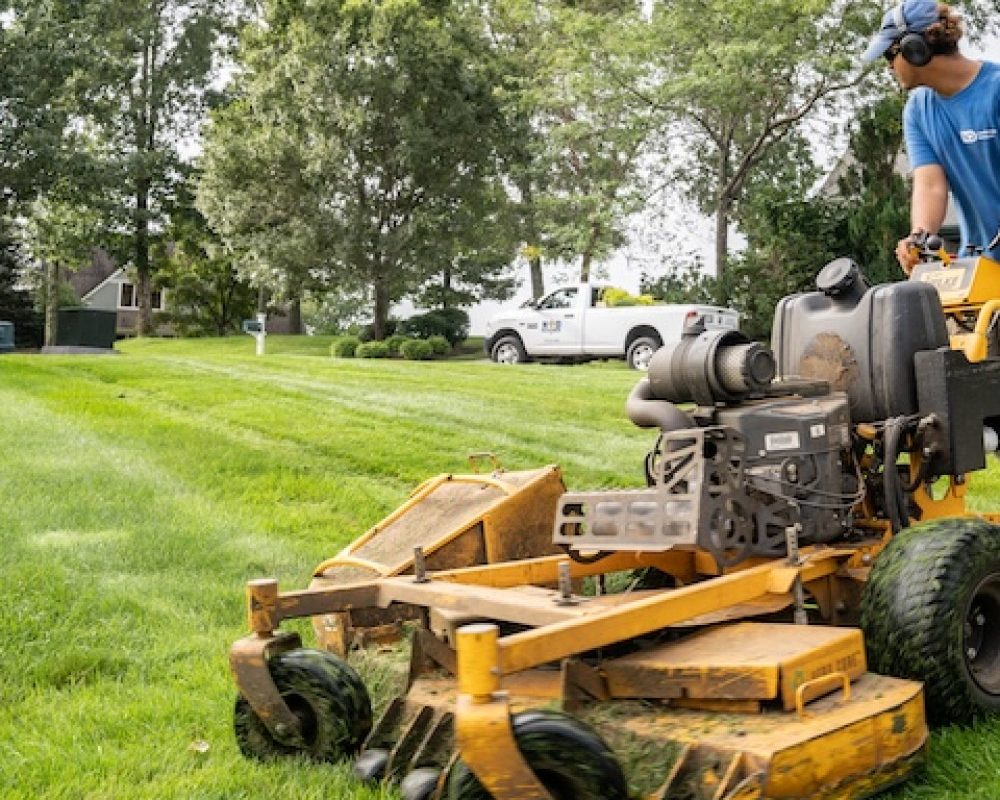
The shift seen in 2026 represents a developing of how society values its natural deposits. By dealing with water as a valuable commodity and the personal yard as an area for thoughtful management, neighborhoods are ending up being more resistant to the obstacles of an altering environment. The combination of innovation, smarter plant choices, and reasonable policy ensures that the tradition of the American lawn endures, albeit in a form that is better fit for the world of today. House owners who embrace these changes find themselves with outside areas that are not only certified with the law but also more sustainable and easier to preserve in the long run.

Table of Contents
Latest Posts
Practical Tips On Choosing Amsterdam Dating Coaches You Can Trust
The Science Behind Regional Soil Composition and Development
Why Your Trusted Bel Air Lawn Care Turf Might Requirement New Nutrients
Latest Posts
Practical Tips On Choosing Amsterdam Dating Coaches You Can Trust
The Science Behind Regional Soil Composition and Development
Why Your Trusted Bel Air Lawn Care Turf Might Requirement New Nutrients